"One Story Moves the World. A Million Never Will."-Why Vozinha's Mom Got a Visa — And What Marketers Can Learn From It
THE GOALKEEPER, HIS MOM, AND THE MOST POWERFUL FORCE IN MARKETING
The World Cup is well underway. And despite the insane kickoff hours, I've been tracking what's happening — at least from a marketing and business perspective.
One story stopped me completely.
Vozinha.
Cape Verde's 40-year-old goalkeeper. A former banker who didn't take football seriously until age 25. A man who played local leagues across Cabo Verde, Angola, Moldova, Cyprus, Slovakia, and Portugal before leading his nation to their first-ever World Cup. Four AFCONs deep. Raised by grandparents who never got to see this moment. And his mother? She couldn't make it to America — a visa issue, and the fees came too late.
"We did not manage to do this in time," he said.
What happened next was remarkable.
US House Democratic Leader Hakeem Jeffries stepped in, personally contacted Secretary of State Marco Rubio, and within days announced that Vozinha's mother would be there for the Uruguay match in Miami — visa secured, all fees waived, travel arranged.
A beautiful story. Genuinely.
But here's the uncomfortable truth
Thousands of families — many of them within miles of those same World Cup pitches — are being torn apart by harsh immigration policies right now. No press conferences. No waived fees. No politicians racing to the phone.
Where are their stories?
The answer isn't found in immigration policy debates. It's found in behavioural marketing.
Stalin — of all people — understood this instinctively: "One death is a tragedy; a million deaths is a statistic."
Nassim Taleb expanded on this brilliantly in The Black Swan. He described a toddler who fell into a well in Italy in the late 1970s. The entire country held its breath. News updates ran around the clock. His photo covered every magazine. And remarkably — even in war-torn Beirut, five miles from active conflict and car bombs, Lebanese citizens were glued to the fate of that Italian child
That's the pull of the sensational. One face. One name. One story.
It's the same force that explains why the world moves on from wars claiming thousands of lives in Africa, the Middle East, and beyond — yet stops everything for the death of Princess Diana, the assassination of JFK, or Notre-Dame burning on live television
So what's the lesson for marketers, fundraisers, and lobbyists?
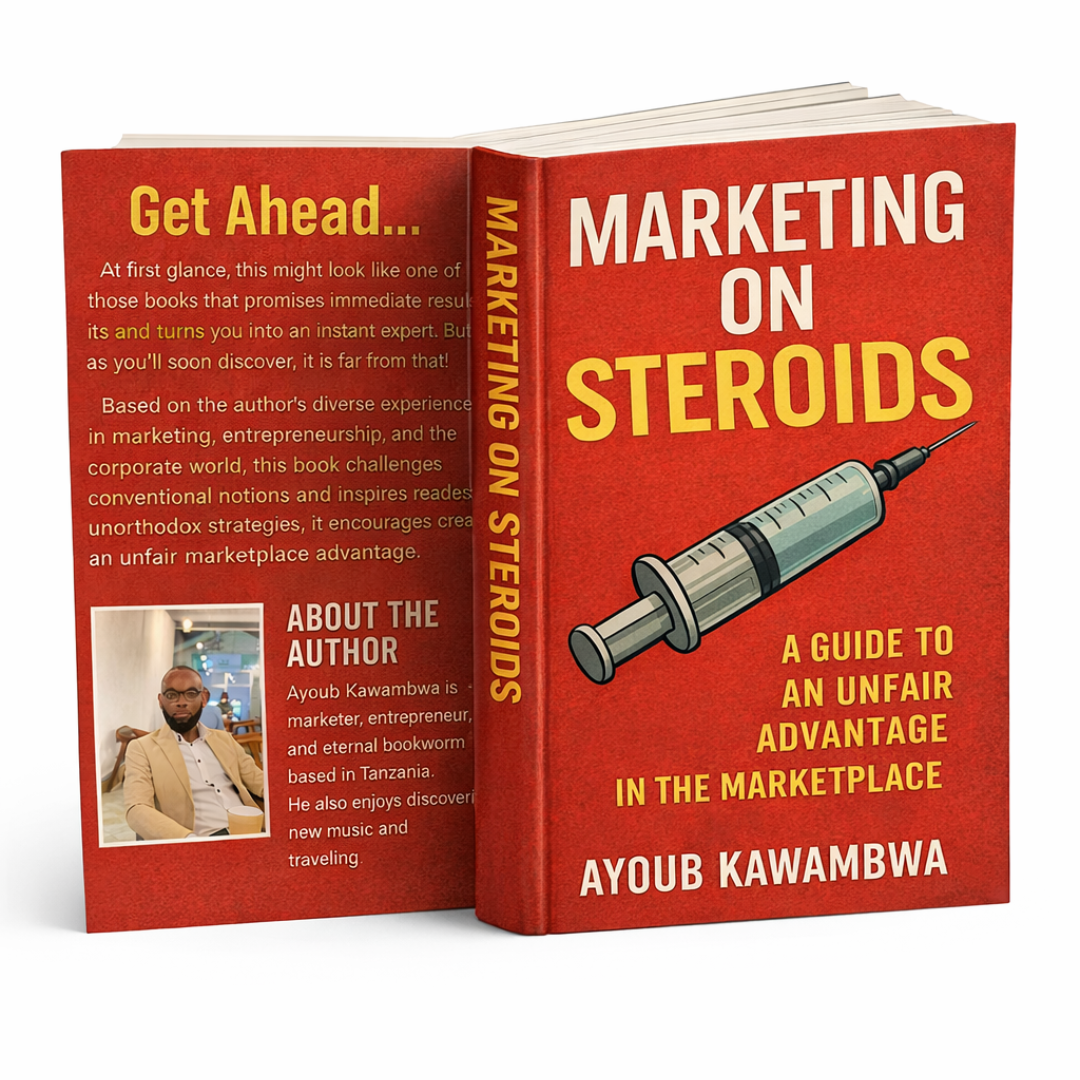
1. Lead with one story, not a spreadsheet. Statistics inform. Stories move. Instead of hitting your audience with the full weight of a crisis, spotlight a single, vivid, human narrative. I go deep on how brands like Listerine have weaponized this principle in Marketing On Steroids — but the core idea is simple: find your Vozinha.
2. Make your metrics human-scale. Don't say "X million trees are lost annually." Do what WWF does — "An area of the Amazon the size of six football fields is destroyed every minute." Same data. Completely different emotional weight.
The world could genuinely be made better with smarter behavioural marketing.
Vozinha's mom made it to Miami. And the reason she did — above policy, above politics — is because one goalkeeper's story had a face, a name, and a crying mother who couldn't afford a visa.
That's the most powerful force in marketing.
Enjoyed this? Grab a copy of Marketing On Steroids: A Guide to an Unfair Advantage in the Marketplace at marketingonsteroidsbooks.com


Comments