Crisis Creates Markets: What Tanzania’s Fuel Shock Can Teach Us About Innovation
Every major innovation or marketing breakthrough in the past two weeks has been overshadowed by one thing: rising fuel prices.
Tanzanians woke up last week to record-high pump prices—and suddenly, everything felt heavier. Conversations shifted overnight. Even those who normally avoid geopolitics found themselves searching for answers about global conflicts and how they ripple down to something as essential as fuel.
Some governments across Africa—like Malawi, Zambia, and Namibia—have responded quickly by suspending fuel taxes as an emergency measure. Others have remained noticeably silent.
But beyond policy responses, something more interesting is happening: behavior is changing.
When Consumers Can’t Control the World, They Change Themselves
As a behavioral marketer, I’ve learned one simple truth: People can’t control global events—but they can control their habits.
That’s why we’re now seeing a surge in conversations around:
Electric vehicles and bikes
CNG alternatives
Remote work and reduced commuting
These are not just trends—they’re coping mechanisms.
Yet every alternative comes with friction. Electric vehicles are expensive. Conversions cost money. And perhaps most importantly, people feel like they’re giving up performance and convenience.
So adoption is slow… until something forces change.
History Shows Us: Constraints Drive Innovation
This isn’t the first time consumers have faced sudden restrictions.
My mind went back to a similar moment in history—the Prohibition era in the United States. Alcohol was suddenly banned, cutting off a widely consumed product overnight.
What followed wasn’t compliance—it was creativity.
Here are a few fascinating outcomes from that period:
The Milkshake Boom

Before Prohibition, Walgreens was a small, struggling pharmacy chain with only about 20 stores. When alcohol was banned, people flocked to soda fountains as the new "social hubs." In 1922, a Walgreens employee named Ivar "Pop" Coulson added two scoops of vanilla ice cream to a standard malted milk drink, creating the modern milkshake.
The Result: It became a national sensation. By the time Prohibition ended, Walgreens had grown to over 500 stores, largely fueled by "milkshake mania."
“Medicinal” Whiskey & The 10-Day Rule
The government couldn't ban alcohol for all purposes, so they left a loophole: doctors could prescribe whiskey.
-The Law: You could legally get one pint of "medicinal" liquor every 10 days.
-The Corruption: Doctors and pharmacists made a fortune writing "prescriptions" for everything from cancer to a common cold. This is actually how several famous bourbon brands (like Old Forester) survived the era legally.
Grape Bricks with “Warnings”
Since you couldn't sell wine, companies started selling concentrated "bricks" of dried grapes.
-The Loophole: They included a very specific "warning" on the packaging: "After dissolving the brick in a gallon of water, do not place the liquid in a jug in a cupboard for twenty days, because then it would turn into wine."
-The Reality: It was essentially a step-by-step instruction manual for home winemaking disguised as a legal disclaimer.
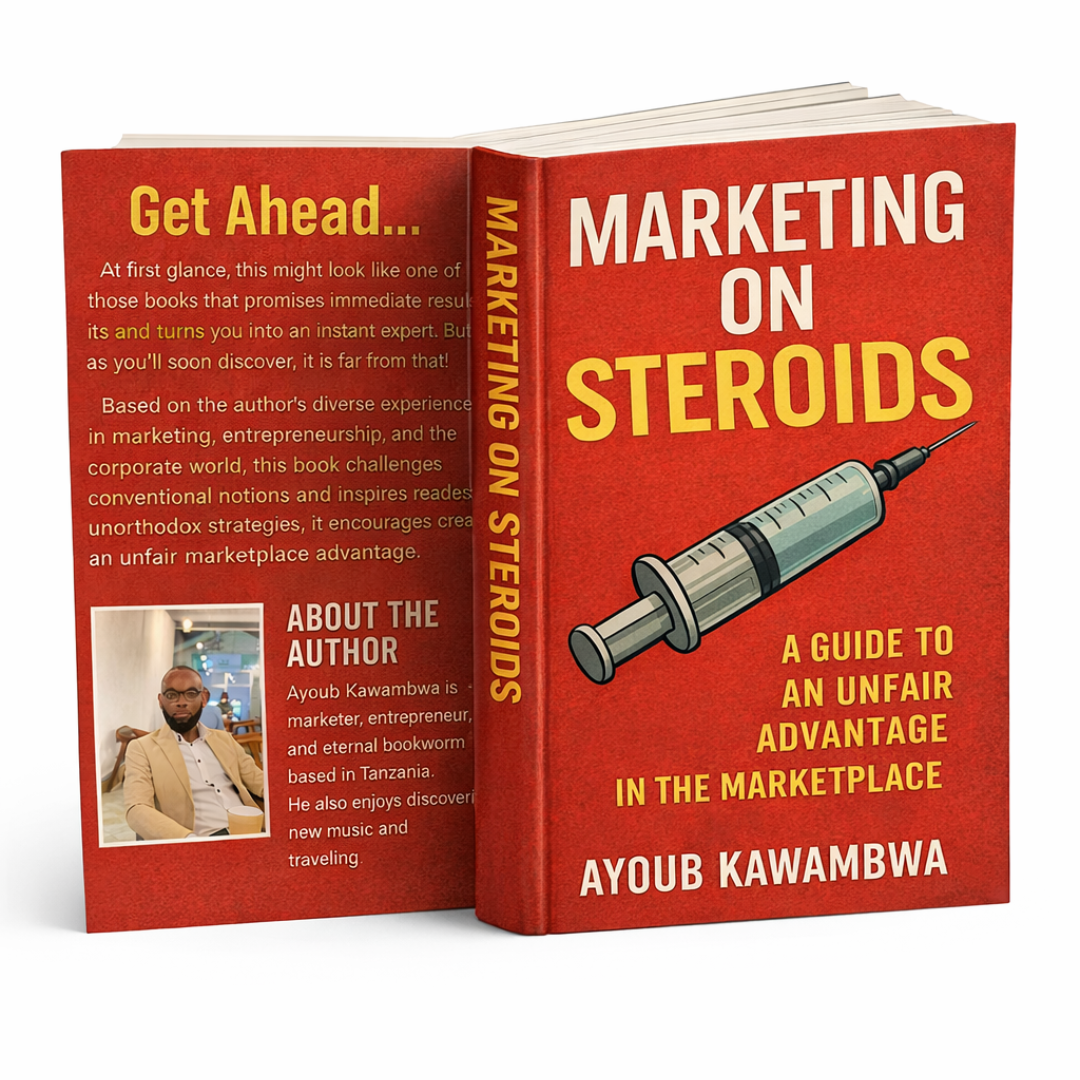
Funny enough i have gone into great lengths into explaining how a brand can circumnavigate a law using a beer brand in Canada as an example in my book(Marketing On Steroids : A Guide To An Unfair Advantage In The Marketplace) Grab your copy :https://www.marketingonsteroidsbooks.com/
The Birth of NASCAR
Moonshiners needed cars that looked like regular family sedans but could outrun federal agents on winding backroads while carrying hundreds of pounds of heavy liquor.
-The Invention: They started "souping up" their engines and modifying suspensions for speed and handling. When Prohibition ended, these drivers had the fastest cars and the best skills in the country, so they started racing each other for sport. This evolved directly into NASCAR.
Speakeasy Culture
During Prohibition, many illegal bars (speakeasies) painted their doors green. While it wasn't a law, it became a universal "secret" signal. If you saw a green door in a suspicious alleyway, you knew there was a party inside. This is why you still see so many older pubs and bars today with the name "The Green Door."
The Pattern Is Clear
When access is restricted, people don’t stop consuming. They adapt.
And in adapting, they create entirely new markets.
So What Does This Mean for Tanzania?
I don’t have a definitive answer—but I’m certain of one thing:
Innovation is already happening.
Yes, existing players in electric mobility and CNG will benefit. But the real opportunity lies in the unexpected winners.
Here are a few possibilities:
Neighborhood Social Spots Will Rise People won’t stop socializing—but they’ll avoid long drives. Local pubs and nearby hangout spots will become more valuable than destination venues.
Home-Centric Businesses Will Grow Electronics stores, internet providers, and home-office solution providers will see increased demand as people choose to stay and work from home.
Public Transport Will Gain Momentum Electrified systems like the Standard Gauge Railway (SGR) will benefit from rising fuel and air travel costs—especially if expanded further across the country.
New Business Models Will Emerge The most interesting innovations will likely come from places we’re not even looking yet—just like milkshakes and NASCAR did during Prohibition.
Final Thought
Crises don’t just disrupt markets—they reshape them.
The fuel crisis is painful, yes. But it is also a trigger. A trigger for new habits, new businesses, and new opportunities.
The question isn’t whether change will happen.
The question is: will you recognize it early enough to benefit from it?


Comments