Rebranding: When Change Becomes a Risk
If you live in Tanzania, you’ve probably heard someone insist on buying the “old” Coca-Cola or Pepsi bottle because they believe the newly designed one is less sweet.
It sounds irrational. After all, the formula hasn’t changed.
But that’s how the consumer mind works.
Every change—no matter how small—can alter perception. And in marketing, perception is reality. A slight tweak in packaging, wording, or design can make a product taste better… or worse.
That’s why I follow a simple golden rule whenever a client is considering a rebrand:
Is the current design not working?
If the answer is yes, then by all means, rebrand. If the answer is no, I strongly advise caution.
There’s a timeless principle in marketing: If something works, keep using it until it stops.
I see no reason why this rule shouldn’t apply beyond marketing and into other disciplines of life.
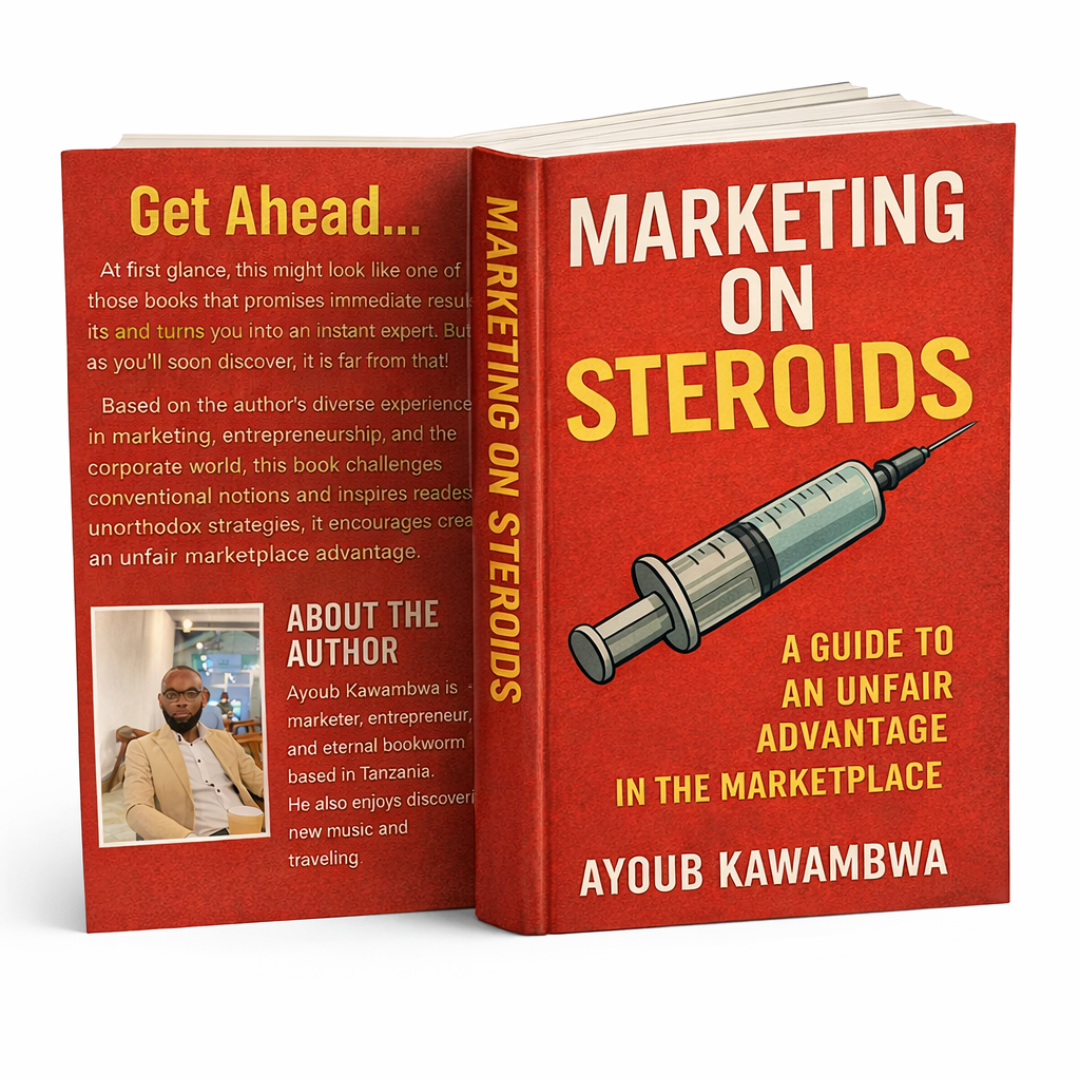
Now, I’m not anti-rebranding. Far from it. In my book Marketing on Steroids: A Guide to an Unfair Advantage in the Marketplace, I emphasize how strategic packaging tweaks can help brands stand out and make powerful impressions.
We’ve seen successful rebrands right here in Tanzania. Take Kvant, for example—its fortunes improved significantly after it revamped its packaging some years ago.


Rebranding can work. But it’s risky.
And the risk multiplies when you start announcing that your product is now “healthier.”
The Danger of Making Your Product “Healthier”
Many food and beverage manufacturers are quick to add labels like:
“Gluten Free”
“Sugar Free”
“Low Fat”
“Healthier”
On paper, it makes perfect sense. Research says consumers want healthier options. Surveys confirm it. Focus groups agree.
But here’s the uncomfortable truth:
People rarely say what they think and do what they say.
When faced with the actual purchasing decision, consumers often react differently than they predicted.
Rory Sutherland explains this brilliantly in Alchemy. He shares the story of a Belgian biscuit manufacturer that replaced its most popular product with a lower-fat version. Extensive testing showed little to no difference in taste. Yet once launched, sales plummeted.
Why?
Because they proudly stamped “Now with lower fat” on the packaging.
Sutherland’s insight was simple:It doesn’t matter what something tastes like in blind tests. If you label it as “low fat,” people may subconsciously assume it tastes worse.
In testing, the biscuits were unpackaged. In the real world, the packaging changed the taste.
The same effect applies beyond food.
As Sutherland notes, adding “Now kinder to the environment” on cleaning products can make consumers instinctively believe the product is less effective.
Words shape perception.Perception shapes experience.
A Lesson From My Own Experience
I’ve witnessed this phenomenon firsthand.
During my time in the food flavouring industry, we introduced darker bottles for our flavours.
The change had a practical benefit—darker bottles protect contents from sunlight and extend shelf life.
Objectively, it was an improvement.
But our customers didn’t respond well.
Despite clearly communicating the benefits, they resisted the change. The darker bottle altered their perception of the product.
We reversed the decision and returned to clear bottles.
The product hadn’t changed.But perception had.
And that was enough.
The Final Word on Rebranding
Not all rebrands are bad. In fact, many succeed.
But rebranding is not a cosmetic decision—it’s a psychological one. And when you interfere with perception, you interfere with value.
That’s why my golden rule remains:
If something is working, keep using it until it stops.
Because in branding, being wrong can be expensive.
If you’d like to dive deeper into the psychology of branding and packaging, grab a copy of my book:
Marketing on Steroids: A Guide to an Unfair Advantage in the Marketplace
Available at: marketingonsteroidsbooks.com


Comments